
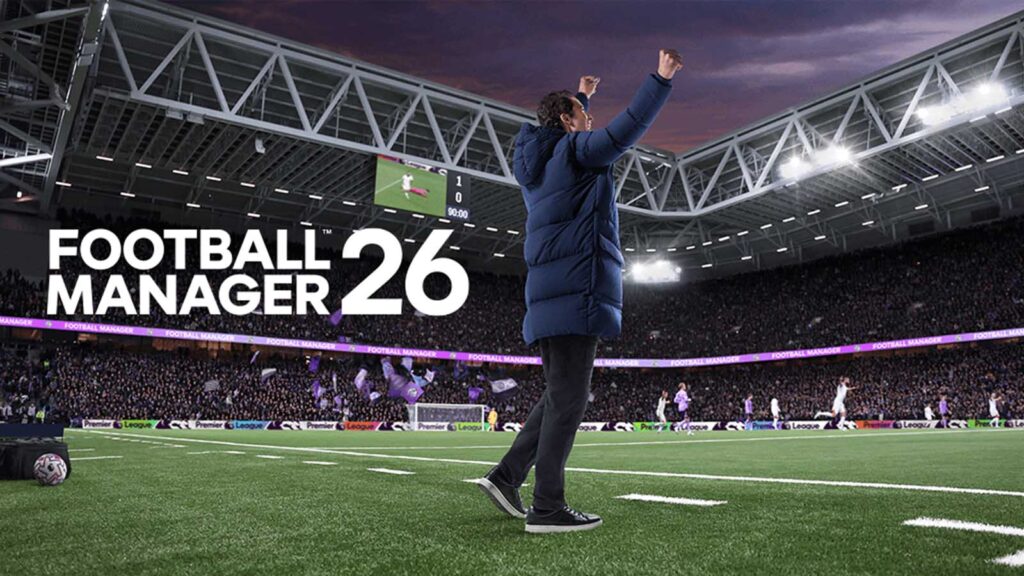
After a two-year wait, Football Manager 26 has finally arrived, marking a significant turning point for the beloved series. Built from the ground up on the Unity engine, FM26 introduces sweeping changes including smoother gameplay, enhanced graphics, and a completely redesigned tactics system. These innovations aim to deliver a deeper, more intuitive, and modernized football management experience.
However, this ambitious overhaul comes with notable drawbacks, particularly for longtime fans who’ve been with the series since its inception—or relative newcomers like myself who joined with Football Manager 2020.
While the engine upgrade is undeniably impressive, the game feels rushed in crucial areas. It’s as if the developers checked the basic boxes—”Is it playable? Does it look good?”—and called it done. The new Unity foundation shows tremendous potential, but the game desperately needs additional development time to polish its rough edges and implement quality-of-life features that fans have come to expect.
The result is a game caught between two identities: a technical showcase of what FM could become, and an incomplete experience that may frustrate both veterans and newcomers alike. With a few more years of refinement, FM26 could have been the definitive entry fans deserved. Instead, we’re left with an intriguing but flawed glimpse of the series’ future.
New Gameplay and Tactical Innovations
FM26’s most significant gameplay innovation is the separation of tactics into distinct “In Possession” and “Out of Possession” phases. This brilliant addition finally allows managers to approach matches with the tactical nuance of real-world football—setting different formations and player roles based on whether the team has the ball. It’s exactly what you’d expect from elite managers planning to secure those crucial three points and climb the table.
The new tactics visualizer elevates this system further, displaying average player positions and demonstrating in real-time how tactical adjustments affect team shape. This level of detail enables managers to craft intricate game plans with unprecedented precision. Combined with significantly improved defensive AI, goalkeeper logic, and more realistic player movement, dribbling, and passing patterns, the match engine delivers on Sports Interactive’s ambition to create the most authentic football management simulation available.
The overall gameplay experience is exceptional, and the match engine represents a genuine leap forward for the series. However, one notable omission dampens the experience: the ability for managers to demand more from their players during crucial moments. The option to rally the team for a comeback or push for a late equalizer added dramatic tension that many managers, myself included, sorely miss. It’s a small but meaningful feature that would have complemented the otherwise stellar tactical overhaul.
Despite this absence, FM26’s gameplay remains a triumph of football simulation, bringing us closer than ever to the authentic managerial experience.
Manager Creation and UI Overhaul
The manager creation system has received a complete overhaul, featuring a detailed character creator with RPG-style attribute descriptions that directly impact gameplay. While the shift from numerical values to verbal ratings adds personality and narrative flavor to your manager’s profile, some players may find the lack of precise statistics frustrating. These attributes influence in-game interactions, adding depth to the role-playing aspect of management.
The user interface underwent a significant redesign, introducing a dashboard-style portal system with enhanced search functions and customizable bookmarks. In theory, these changes should improve navigation and oversight. In practice, however, the UI feels like a significant misstep.
The new interface is plagued by excessive clicking, transforming simple tasks into tedious multi-step processes. What was once intuitive now feels needlessly complex and bloated. Performance issues compound these problems—the lag is so severe that this “beta” feels more like an early alpha build. It’s baffling that Sports Interactive didn’t prioritize perfecting the UI, considering managers spend 99% of their time navigating these menus rather than watching matches.
The learning curve is steep, even for experienced players. After five years with the series, I find myself struggling with basic navigation—I can only imagine the frustration of veterans who’ve been playing for decades. The console-oriented design decisions have resulted in a cluttered, “zoomed-in” feel that sacrifices functionality for aesthetic choices that don’t translate well to PC.
The UI desperately needs refinement before it can be considered an improvement over its predecessors.
Visual and Audio Enhancements
The visual overhaul in FM26 is immediately striking. The match engine now features dramatically improved player animations that actually resemble real footballers rather than the robotic movements of previous iterations. Players move with authentic weight and momentum, making matches genuinely enjoyable to watch for the first time in the series’ history.
The presentation has received equal attention to detail. Stadiums feel alive with improved lighting that captures different times of day and weather conditions, while player models finally look like their real-world counterparts. The new “Broadcast Mode” camera system offers dynamic angles that mirror television coverage, though purists can still opt for traditional views.
Audio design has also taken a significant step forward. Crowd reactions now respond contextually to match events—you’ll hear the away fans grow louder as they sense an equalizer, or feel the tension through nervous murmurs during a defensive stand. These atmospheric touches, combined with enhanced stadium ambience, create the most immersive match-day experience the series has achieved.
While these improvements don’t fix the game’s UI and stability issues, they demonstrate what the Unity engine can deliver when properly utilized. For the first time, watching matches feels less like an obligation and more like an integral part of the management experience.
Expanded Women’s Football and Licensing
FM26 makes history as the first in the series to fully integrate women’s football, featuring 14 leagues across 11 countries. This isn’t a token addition or separate mode—it’s seamlessly woven into the main game, allowing managers to take charge of both men’s and women’s teams within the same career.
The inclusion feels authentic thanks to official licensing deals, including Premier League branding and the Women’s Super League. These licenses bring real team names, badges, and competitions that elevate the experience beyond a simple database expansion. You can now guide Chelsea Women to Champions League glory or build a dynasty with Barcelona Femení, with the same depth and complexity as their male counterparts.
This addition opens entirely new career paths and challenges. Managers can test themselves in the rapidly evolving landscape of women’s football, where tactical trends differ and the transfer market operates under unique dynamics. It’s a long-overdue feature that not only broadens the game’s appeal but also reflects football’s modern reality.
While some purists may grumble about development resources, this expansion represents Sports Interactive’s commitment to depicting football as it truly exists today—diverse, global, and inclusive. For players seeking fresh challenges after years of managing the same men’s leagues, women’s football offers an entirely new world to explore.
Transfer Market and Squad Building
The new Transfer Room feature, powered by actual TransferRoom technology, brings a welcome dose of realism to FM26’s transfer market. This system transparently shows which clubs are actively seeking players for specific positions while allowing you to advertise your own squad needs to the wider football world.
In practice, this means no more blindly offering players to every club in Europe hoping someone bites. You can now see that Atletico Madrid desperately needs a left-back, or that Milan is actively shopping for a creative midfielder. Similarly, you can flag that you’re in the market for a backup goalkeeper, potentially attracting offers you might have otherwise missed.
This transparency transforms the transfer market from a guessing game into a strategic marketplace. It’s particularly useful for smaller clubs trying to offload fringe players or find hidden gems. The system also makes loan deals more logical—young players go where they’ll actually play rather than rot on the bench at random clubs.
The feature integrates smoothly with the improved scouting system, creating a more dynamic and realistic transfer ecosystem. Deadline day finally feels authentic as clubs scramble to fill identified gaps rather than making seemingly random panic buys.
While it doesn’t revolutionize transfers entirely—you’ll still encounter the occasional AI brain freeze—it’s a thoughtful addition that streamlines squad building without removing the challenge. For once, a new feature feels like genuine improvement rather than unnecessary complexity.
The Verdict
While FM26 is clearly a work in progress, it represents a pivotal moment that will define the Football Manager series for years to come. The massive overhaul showcases tremendous potential, but there’s a long road ahead before this vision is fully realized.
Despite being in beta, my experience has been relatively stable—I’ve avoided the game-breaking bugs that have plagued other players. That said, the issues are undeniable: navigation takes considerably longer due to the convoluted UI, and the learning curve is steep even for experienced managers. However, I can see the ambitious vision behind these changes, and I’m cautiously optimistic that patches and quality-of-life updates will address these growing pains.
Football Manager 26 is both frustrating and fascinating—a bold reimagining that blends beloved management mechanics with modernized visuals, refined gameplay systems, and welcome additions like women’s football. Veterans will find the transition challenging but potentially rewarding once they adapt, while newcomers benefit from improved tutorials and the revamped manager creation system.
My advice? You have two options. Either return to FM24 (or whichever version you’re comfortable with) and wait for the developers to iron out the kinks, or dive into FM26 now, embrace the learning curve, and start building your trophy cabinet in this new era.
For those willing to weather the storm, FM26 offers glimpses of brilliance that suggest the series’ best days may still lie ahead. For everyone else, patience might be the wisest strategy—this ambitious project needs more time in the oven before it can truly shine.
